
Benefits of Play
Discover the positive impact of play on health. Uncover how play enhances physical well-being, boosts mental health, and fosters socioemotional growth.

Physical Health
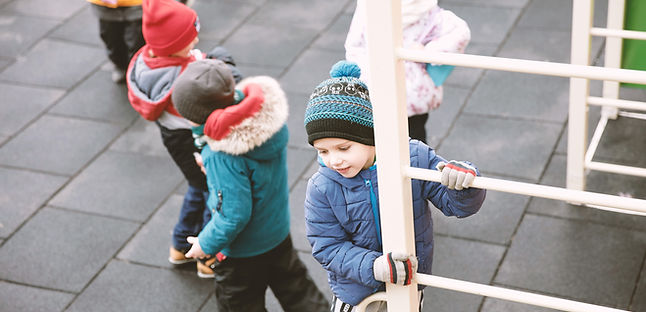
Play can help to build children's sensorimotor skills. It improves their strength, coordination, and balance. Risky play, though can scare parents, actually teach essential skills such as risk-mitigation and self-sufficiency. This teaches children to assess dangers and working through challenges.
Adults who engage in play feel younger at heart and live a more active and healthy lifestyle keeping them physically healthy.
Mental Health
Engaging in play can lower anxiety and depression rates. It could help to calm children and increases mindfulness.
For adults and seniors, play can be a source of joy and stress relief. It encourages a healthy lifestyle. Not only does play have direct benefits to better mental health, but it has been found to have positive effects on other areas of life as well, including personal and work life.

Socioemotional Health
Engaging in play can help develop children's socioemotional skills which are important for helping children to navigate life. Play helps to build people's confidence and teaches self-regulation. Children learn social skills such as cooperation, sharing, and negotiation, along with empathy for others.
“Free play aligns with the social-emotional learning objectives that structured curriculums aim to teach, but it does so naturally as children engage in their preferred activity: playing” (Haidt, 2024). Increased access to unstructured playtime at school resulted in higher levels of student well-being and improved behavioral outcomes in the classroom. Through unsupervised play, “Children are intrinsically motivated to acquire these skills because they want to be included in the playgroup and keep the fun going.” Children learn how to handle their emotions, read emotions, take turns, resolve conflicts, play fair, and tolerate bruises
Play Fosters Connection
Through play, children learn the skills necessary for building lasting relationships. Children learn negotiation, sharing, and communication, important skills for navigating social interactions. They build empathy and connection through shared experiences with one another. Furthermore, play builds trust and confidence in themselves to navigate life.

Decline in Childhood Play
The Great Rewiring occurred during the years 2010 to 2015 where adolescence transitioned from play-based childhood to a more phone-based childhood, which resulted in a fundamental change in adolescent social patterns, role models, emotions, physical activity, sleep patterns.
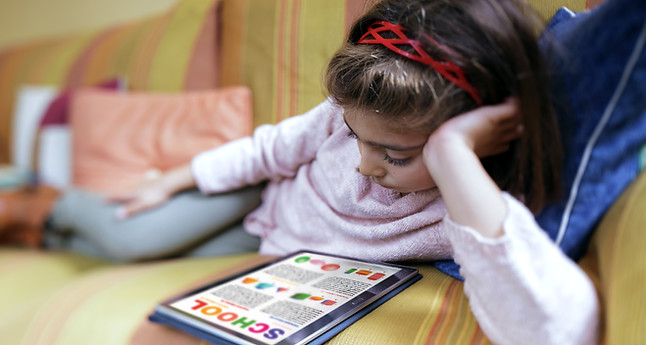
Adolescent unstructured time with friends drastically fell in the early 2010s as society moved from basic phones to smartphones. Furthermore, current education prioritizes direct instruction and standardized testing, sidelining play and equating play with unseriousness and goofing around (Kids First, 2025). Reduction of playtime in schools can lead to increased anxiety and lack of focus (Haidt, 2024). Reduced free play can also result in higher rates of depression, anxiety, and suicide, along with weaker social connections (Haidt, 2024).
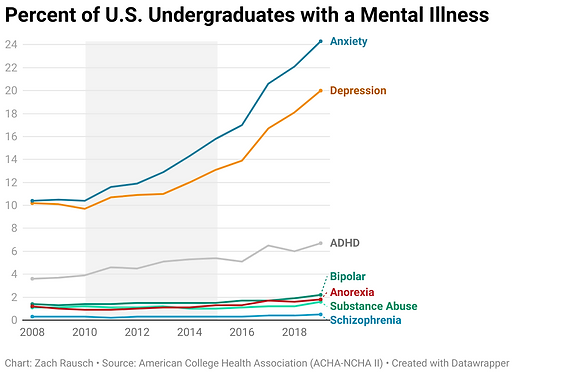
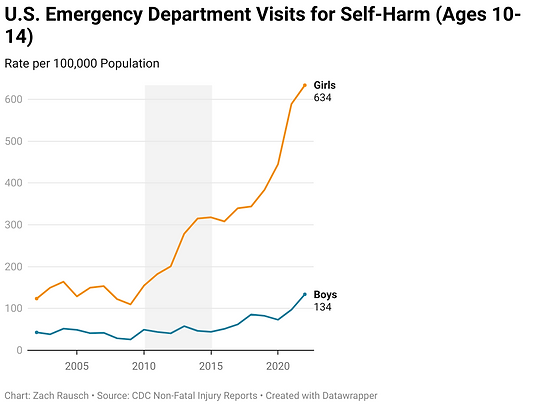
The charts above show there was an increase in anxiety and depression rates of more than 100 percent for on college campuses since 2010, while self harm emergency room visits rose by about 400 percent for girls and 150% for boys ages 10-14.
Adults and Play
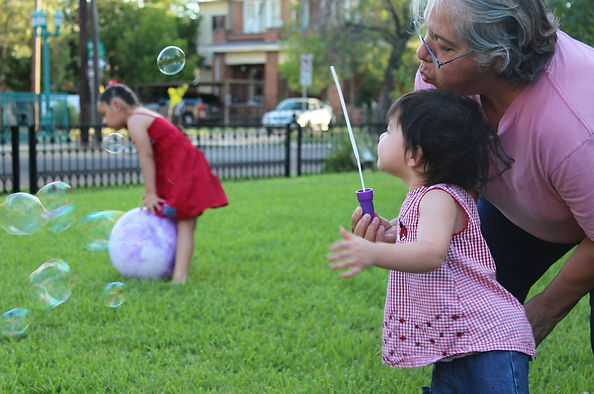
Play is not only important for children but adults as well! Although people tend to believe that we outgrow play, and often hear words such as, "you are too old for this", the reality is that we never stop playing. Play is everywhere, from board games with family, sports with friends, play wrestling, escape rooms, and the list goes on. The benefits of play extend beyond children.
Play encourages a healthy lifestyle. It improves mental and physical health, while also promoting social connection. The CDC reports that “more than one-third of adults aged 45 and older feel lonely, and nearly one-fourth of adults aged 65 and older are considered to be socially isolated” (CDC, 2022). Play can help bring people together and combat loneliness. Playfulness is important to staying "young at heart" and acts as a source of joy and stress relief amidst the fast-paced structure of everyday life.
***
add barriers to play for adults
add how adults enjoy playing?

Benefits of Intergenerational Connections
-
Builds more resilient and compassionate communities
-
Opportunity to learn from each other
-
Listen/share outside perspectives
-
-
Supports brain health (ex. Improve memory, cognitive decline, and mental wellbeing)
-
Learn life lessons, source of support, and confidence
-
Improve social, health, and economic aspects of life
-
Helps combat social isolation and loneliness
-
-
Promote a healthier lifestyle while lowering health risks
-
“Motivates people to get involved and be more active”
-
***talk about:
play connection with intergen connections
benefits of intergen connections
define intergenerational play
Conclusion
Play is an essential part of children health and growth, teaching them socioemotional skills and other important skills for navigating life through experience. The introduction of smartphones into society led to a decline in childhood play, resulting in many consequences for children mental health and development, seeing increased rates of anxiety, suicide, and depression, as well as fundamental changes in the way children grow up.
References
(Kids First, 2025)
Anxious generation by Jonathan Haidt
https://www.anxiousgeneration.com/research/the-evidence
Image Sources:
wix stock images